

Table of Contents
- Quick Comparison: Durable Jewelry for Everyday Wear 2026
- What Makes Jewelry Durable Enough for Daily Rotation
- Best Metal for Everyday Rings: Gold, Silver, or Steel?
- Are Recycled Metals Durable for Jewelry? What to Know
- Top Durable Pieces for Everyday Wear from Frijja
- How to Clean Sterling Silver Jewelry at Home
- Water Resistance, Repairability, and Skin Chemistry: What Competitors Skip
- Conclusion
- Frequently Asked Questions
Last Updated: September 14, 2026
Quick Comparison: Durable Jewelry for Everyday Wear 2026
Durable jewelry for everyday wear 2026 comes down to one question: what happens to the metal after 300 days of skin, sweat, and water contact? At Frijja, titanium steel and sterling silver hold up; thin-plated brass does not.

The comparison below covers the materials and pieces we recommend, with pricing and trade-offs.
| Material | Tarnish Resistance | Water Exposure | Best For | Price Range |
|---|---|---|---|---|
| Titanium steel | High | Daily wear OK | Bracelets, necklaces | $12-$18 |
| .950 sterling silver | Moderate (patinas) | Remove before swimming | Gemstone bracelets | $45 |
| Gold vermeil | Moderate | Occasional only | Rings, pendants | Varies |
| Gold-plated base metal | Low | Avoid entirely | Occasional wear | Varies |
The rest of this guide explains why those rankings hold, and how to spot the difference before you buy. The FTC's Jewelry Guides on marking and plating claims set the labeling standards that separate vermeil from plated, and knowing them saves money.
What Makes Jewelry Durable Enough for Daily Rotation
Durability in everyday jewelry is the ability to resist tarnish, corrosion, scratching, and clasp failure across continuous wear. Three variables decide it: the base metal, the plating thickness, and the finish at the clasp and joints. Most shoppers focus on the look; the failure points are mechanical.
- Base metal: titanium steel and sterling silver resist corrosion; brass and copper alloys oxidize fast
- Plating thickness: measured in microns, and most fashion jewelry lists none
- Clasp durability: the single most common break point on any bracelet
- Finish: polished edges snag less and wear longer than raw cast surfaces
A common mistake is a beautiful finish paired with a weak lobster clasp. The metal outlasts the hardware every time.

Metals That Resist Tarnish and Corrosion
Tarnish-resistant metals share one trait: a stable surface oxide that stops further reaction. Titanium steel, surgical-grade stainless steel, and sterling silver all do this to varying degrees. Sterling silver still develops a patina, a soft darkening many collectors prefer that polishes out easily. Corrosion resistance matters most where skin meets metal: sweat is mildly acidic and attacks plated surfaces first.
Plating Thickness and PVD Coating Explained
Plating thickness is measured in microns and determines how long a gold or platinum finish survives.
Best Metal for Everyday Rings: Gold, Silver, or Steel?
The best metal for everyday rings is .950 sterling silver for value, and titanium steel for the widest range of skin types. The wrong pick shows up as scratches, rashes, or color loss within a year.
Solid Gold vs. Gold Vermeil vs. Plated
Are Recycled Metals Durable for Jewelry? What to Know
Recycled metals are exactly as durable as newly mined metals of the same purity. Recycling changes the source of the metal, not its atomic structure: a recycled 14k gold ring and a newly mined one have identical hardness, corrosion resistance, and wear characteristics. Reputable refiners test purity the same way for recycled and virgin stock, and hallmarking requirements apply equally, sustainable sourcing claims should be backed by documentation, not marketing language.
Top Durable Pieces for Everyday Wear from Frijja
Frijja's most durable everyday pieces cluster in two material families: titanium steel and .950 sterling silver. Both resist handwashing, typing, and gym sessions better than plated brass, and both come in under $50.
Titanium Steel Bracelets and Necklaces Under $20
The Titanium Steel Bracelet at $12 is the entry point: a 6.7-inch chain built for stacking, with a plating that holds color through daily wear. The Chunky Chain Titanium Steel Bracelet at $12 offers the same durability in a bolder silhouette, with a 5.9-inch chain plus 2-inch extender and a platinum or 18k gold-plated finish.

For a statement layer, the Chunky Chain Titanium Steel Necklace at $18 gives you 15.4 inches of titanium steel with a 2-inch extender. The Half Chunky Chain Titanium Steel Bracelet at $12 and the Snake Head Chain Titanium Steel Bracelet at $13 round out the rotation.
Sterling Silver Gemstone Bracelets for Sensitive Skin
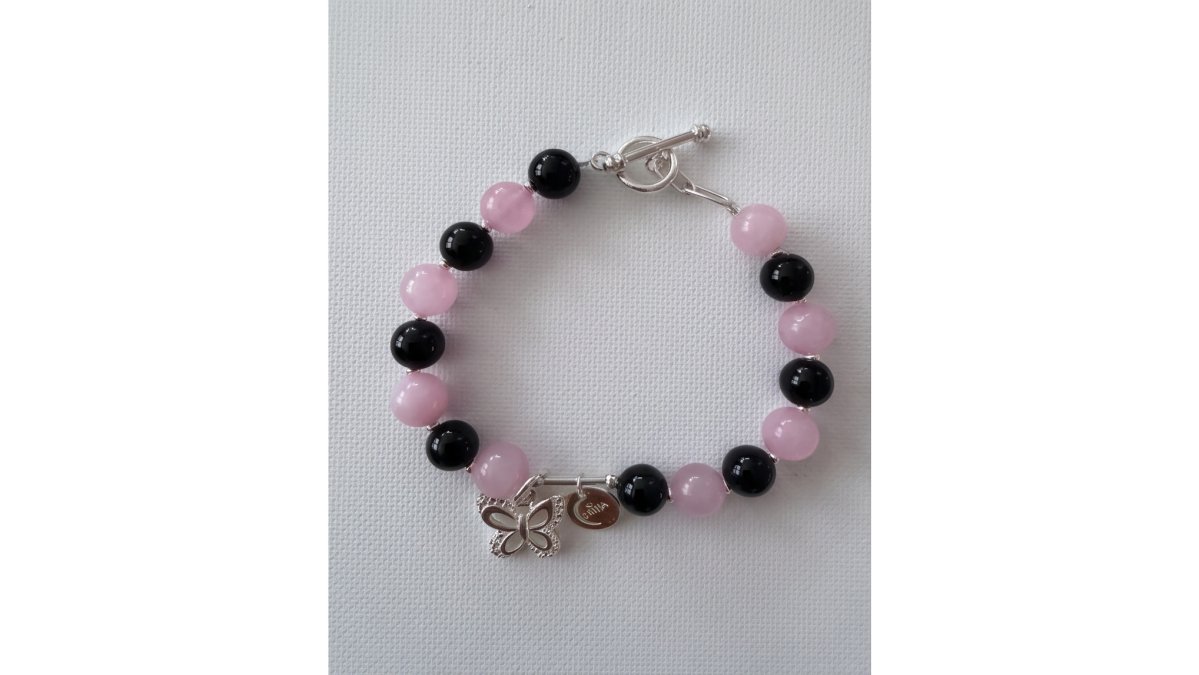
For sensitive skin, the .950 Sterling Silver Amazonite Gemstone Fish Tail Bracelet at $45 pairs a 7.5-inch sterling silver chain with green amazonite beads. The .950 Sterling Silver Rose Quartz Onyx Bracelet at $45 adds a butterfly charm and a pink-and-black bead pattern. Sterling silver is naturally hypoallergenic when nickel-free, which .950 silver is (pubmed.ncbi.nlm.nih.gov). The trade-off is patina: expect a soft darkening between beads that polishes out in under a minute.
How to Clean Sterling Silver Jewelry at Home
Cleaning sterling silver at home takes about two minutes with dish soap, warm water, and a soft cloth. Skip abrasive polishes for routine care; save them for heavy tarnish.
- Line a small bowl with aluminum foil, shiny side up
- Add one tablespoon baking soda and one teaspoon salt
- Pour in hot (not boiling) water and stir to dissolve
- Submerge the silver for two to three minutes
- Rinse under warm water and pat dry with a soft cloth
- Buff gently with a jewelry polishing cloth to restore shine
For light maintenance, warm water and a drop of mild dish soap on a soft cloth handles most daily grime. Dry completely before storing, since trapped moisture accelerates patina.
Water Resistance, Repairability, and Skin Chemistry: What Competitors Skip
Most guides call a piece "water-resistant" and move on, a word that means nothing without a test. Here are three frameworks: how to test a piece for shower and pool safety, how to evaluate repairability, and how your body chemistry changes the timeline.
How to Test Water Resistance Before You Commit
Water attacks jewelry three ways: chlorinated and salt water accelerate oxidation on plated surfaces, and trapped moisture under a clasp or between beads drives tarnish from the inside. You can test a new piece in about ten minutes without damaging it.
- The 24-hour tap test. Fill a glass with lukewarm tap water, drop the piece in, and leave it overnight. Plated brass and copper alloys show a dulled or discolored surface by morning; titanium steel and .950 sterling silver typically show no change.
- The saltwater spot test. Dissolve a half-teaspoon of table salt in a cup of warm water, submerge the piece for 30 minutes, then rinse and dry. This approximates a beach day or heavy sweat session. Watch for a chalky film on plated surfaces, the plating beginning to break down.
- The clasp-cycle test. Open and close the clasp 50 times. A well-made lobster clasp should feel identical on the 50th cycle as the first. If it loosens, sticks, or the spring feels soft, that is your failure point, not the metal.
What each material realistically survives:
- Titanium steel and surgical-grade stainless steel: Daily handwashing, showers, and gym sessions are fine. Prolonged pool or ocean exposure is tolerable but rinse and dry afterward.
- .950 sterling silver: Handwashing and occasional splashes are fine. Remove before swimming, chlorinated and salt water accelerate the patina and can pit the surface over repeated exposure.
- Gold vermeil: Occasional splashes only. The sterling core is water-tolerant, but the gold layer thins with repeated abrasion against wet skin.
- Gold-plated base metal: Remove before any water contact. There is no recovery once the plating lifts.
Sweat is not just water. It carries chloride, lactic acid, and trace sulfur compounds. On plated surfaces, those react with the copper or brass underneath to form silver chloride and copper sulfide, the greenish or blackish film you see on cheap rings. Rinsing and drying after exercise removes the reactants before they bond.
Repairability: The Lifecycle Question Nobody Asks
A piece that can be repaired lasts decades; a piece that cannot lasts until it fails. Before you buy, ask: if the clasp breaks, can this be fixed?
- Solid 14k and 18k gold: Fully repairable. Any bench jeweler can resolder a clasp, retip a prong, or resize a band. Repair cost is typically a fraction of replacement.
- .950 sterling silver: Repairable. Clasps can be replaced, chains resoldered, and gemstone settings retightened. Sterling is soft enough to work with hand tools, which keeps repair costs low.
- Titanium steel: Clasps and jump rings can be swapped, but the metal itself is difficult to solder because of its oxide layer. Treat titanium steel as replace-the-hardware, not repair-the-metal.
- Gold vermeil: The sterling core can be repaired, but the gold layer cannot be restored without re-plating, which usually costs more than the piece.
- Gold-plated base metal: Not repairable. Once the plating wears through, the piece is finished. This is why the lifecycle cost of a $6 plated bracelet is higher than its sticker price suggests.
The three most common everyday failures:
- Clasp failure, the most common break point on any bracelet. On sterling, a bench jeweler can replace a lobster clasp for a modest fee. On plated pieces, replacement is the only option.
- Stone loosening, prongs bend with daily knocks and a jeweler can retighten them in minutes. Ignoring a loose stone is how you lose it.
- Chain stretch or kink, thin chains stretch under repeated pulling.
Skin Chemistry: Why the Same Bracelet Ages Differently on Two People
Two people can wear identical .950 sterling silver bracelets and see completely different timelines. One develops a soft patina in a week; the other sees nothing for months. That variation is normal, and it comes down to three variables in your sweat.
- pH and acidity. Sweat ranges from mildly acidic to near-neutral depending on diet, hydration, and genetics. More acidic sweat attacks plated surfaces faster and accelerates tarnish on silver.
- Sulfur content. Trace sulfur compounds in sweat react directly with silver to form silver sulfide, the dark film we call tarnish. Some people produce noticeably more than others.
- Chloride and salt. Higher chloride content in sweat is harder on plated finishes and on any metal that is not titanium or surgical steel.
What this means practically:
- If you tarnish silver quickly, you are not doing anything wrong and the piece is not defective, you simply need more frequent polishing, or a metal that does not tarnish.
- If you react to base-metal jewelry with itching or a rash, the culprit is usually nickel or cobalt in the alloy, not the color. Titanium steel and nickel-free .950 sterling silver are the safer everyday choices.
- If you wear the same piece daily without removing it, expect a faster timeline than someone who rotates pieces, continuous skin contact means continuous exposure to sweat chemistry.
If you tarnish silver fast, keep an anti-tarnish strip in your storage bag and plan on a 60-second polish once a week. If you tarnish it slowly, a monthly polish is usually enough. Match the routine to your chemistry, not to a generic care card.
Buy for the lifecycle, not the season. Test water resistance before you commit, ask whether the piece can be repaired before you buy it, and match your care routine to your own skin chemistry. A $12 titanium steel bracelet that survives two years costs less per wear than a $6 plated piece that fails in three months.
Conclusion
The challenge with durable jewelry for everyday wear 2026 isn't finding something pretty. It's finding something that survives the 300-plus days a year you'll actually wear it. Frijja builds its everyday collection around titanium steel and .950 sterling silver for exactly that reason: handcrafted designs, priced so you can build a capsule jewelry collection without sacrificing durability. Shop the titanium steel bracelets and sterling silver gemstone pieces, and get jewelry that stays in fashion and in vogue through daily rotation.
Frequently Asked Questions
What is the most durable jewelry for everyday wear?
Titanium steel ranks among the most durable options because it resists tarnish, corrosion, and scratching. Sterling silver also holds up well with proper care. For daily rotation, look for pieces with secure clasps or solid metal construction. Frijja's titanium steel bracelets start at $12 and handle daily wear without discoloration when you follow basic care instructions.
Is recycled metal jewelry as durable as newly mined metal?
Yes. Recycled gold and silver go through the same refining process as newly mined metal, so the durability, karat weight, and corrosion resistance are identical. The difference is sourcing, not strength. When you see recycled metals durable for jewelry claims, the key factors are still alloy composition and plating thickness, not whether the metal was mined or reclaimed.
How do I clean sterling silver jewelry at home?
Mix a few drops of mild dish soap with warm water. Soak the piece for 2-3 minutes, then gently scrub with a soft-bristle toothbrush, paying attention to crevices around clasps and charms. Rinse and dry with a lint-free cloth. For heavier tarnish, use a silver polishing cloth. Avoid abrasive cleaners and ultrasonic machines on gemstone-set pieces. Store silver in an airtight bag to slow metal oxidation between wears.
What should I look for when buying jewelry that won't tarnish?
Check the base metal and coating first. Titanium steel resists tarnish best. Sterling silver develops a patina over time but polishes back to shine. Avoid brass or copper base metals with thin plating. Look for secure clasp durability, and hypoallergenic or nickel-free labels if you have sensitive skin. Proper jewelry maintenance extends any piece's life.
How often should I rotate my everyday jewelry to make it last longer?
A daily rotation of two to three pieces reduces wear on any single item. Give each piece a rest day, wipe it with a soft cloth after wearing, and store it separately to prevent scratches. Avoid wearing plated or sterling silver pieces during exercise, swimming, or cleaning, since sweat and chemicals speed up corrosion. This habit alone can add years to your capsule jewelry collection.
0 commentaire