

Table of Contents
- What Makes Handmade Jewelry Cost More
- How to Identify Quality Handmade Jewelry
- Durability: Are Recycled Metals Durable for Jewelry
- Is Sterling Silver Jewelry Worth the Investment
- Resale Value and Long-Term Returns
- Handmade vs. Mass-Produced: The Real Differences
- When Handmade Jewelry Is Worth It
- Frequently Asked Questions
Last Updated: October 1, 2026
What Makes Handmade Jewelry Cost More
Handmade jewelry carries a fundamentally different cost structure than mass-produced pieces. When you're evaluating whether is handmade jewelry worth the price, understanding what drives that cost difference is essential.
Labor represents the largest expense. A single artisan-crafted piece can take 8-40 hours to complete, depending on complexity. That's direct human time at every stage: design, material selection, fabrication, finishing, and quality control. Mass-produced jewelry compresses these steps through automation and outsourcing to lowest-cost regions, spreading labor across thousands of units.
Material costs also differ significantly. Handmade jewelers typically source higher-grade precious metals and genuine gemstones. A piece using .950 sterling silver and authentic sodalite or opal costs more in raw materials than costume jewelry made from plated base metals. The artisan cannot cut corners on sourcing without compromising the final product's durability and aesthetic.
Small-batch production means no economy of scale. A mass manufacturer orders 10,000 identical necklaces; the per-unit tooling cost becomes negligible. An independent jeweler creates 50 variations across a year. Every tool, die, and setup is amortized across fewer pieces.
Overhead for a working studio, rent, utilities, equipment maintenance, insurance, gets distributed across a smaller output. A factory with 200 employees produces exponentially more units per dollar of overhead than a three-person studio.
How to Identify Quality Handmade Jewelry
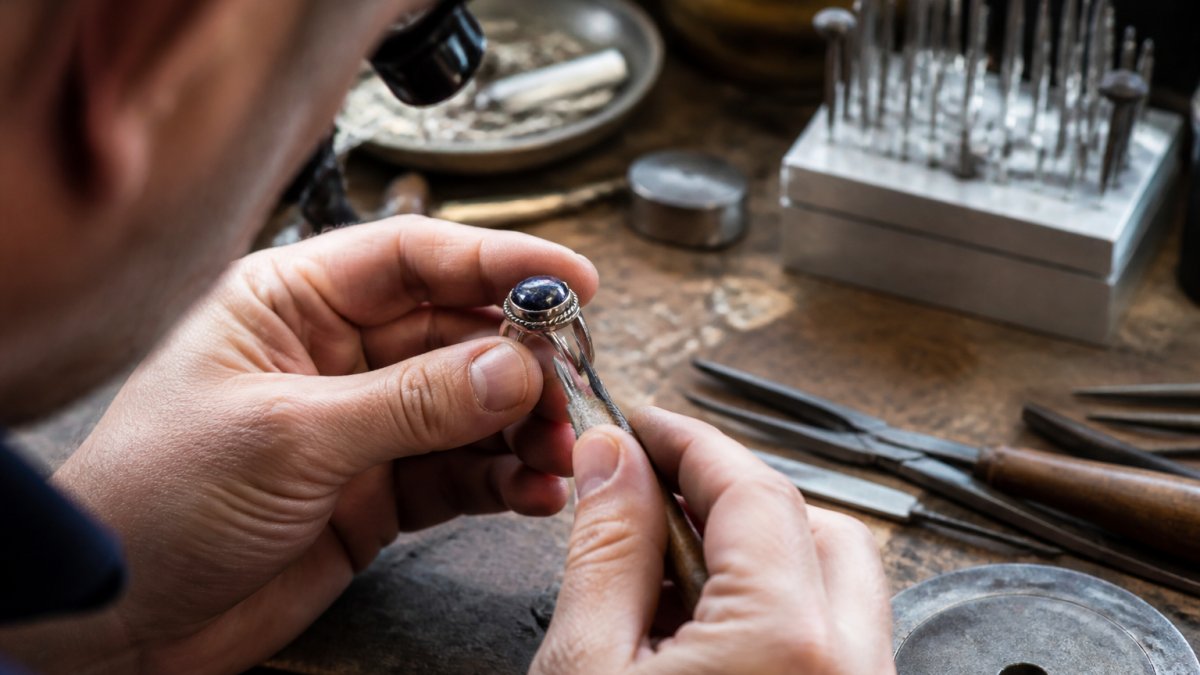
Quality handmade jewelry has specific markers that separate genuine artisan work from pieces marketed as "handmade" but produced in factories. Learning to spot these differences protects you from overpaying for mass-produced goods wearing an artisan label.
Start with material transparency. Legitimate artisans clearly state their metal purity (.950 sterling silver, 14K gold) and gemstone origins. If a seller avoids specifics or uses vague terms like "fine silver" without a number, that's a warning sign. Check for hallmarks stamped into the metal itself, these indicate official material certification.
Examine the construction closely. Hand-fabricated pieces show intentional variation. Solder lines may be visible but smooth. Gemstone settings should be secure, with prongs or bezels that sit flush against the stone. Look for file marks or texture that suggests individual shaping rather than uniform machine production. This isn't sloppiness; it's evidence of human craftsmanship.
Ask about the maker's process. A genuine artisan can explain their technique, why they chose specific materials, and how long a piece took to create. They'll discuss challenges they solved and decisions they made. Mass-market sellers trained on product descriptions cannot provide this depth.
Consistency with variation is the sweet spot. A handmade collection should show similar quality and aesthetic across pieces, but each piece should have subtle differences. Perfect uniformity suggests machine production.
The Smithsonian's guide to evaluating fine jewelry recommends requesting documentation of materials and construction methods, a practice that separates professional artisans from casual sellers.
Durability: Are Recycled Metals Durable for Jewelry
Are recycled metals durable for jewelry? Yes, when properly processed and alloyed. Recycled precious metals, silver, gold, platinum, perform identically to newly mined metals once refined. The material properties don't degrade through recycling.
The durability question isn't about the metal's source; it's about the alloy composition and the artisan's execution. Sterling silver (.925 or .950) resists tarnish and withstands daily wear because of its purity and the copper content that strengthens it. Recycled sterling silver meets the same standards as virgin silver.
Where durability actually fails is in poor construction, regardless of material source. A poorly set gemstone will loosen. Weak solder joints will crack. Thin walls will bend. These failures stem from the maker's skill and material choices, not whether the silver came from a mine or a refinery.
Handmade pieces using recycled .950 sterling silver, like those in Frijja's Moon Radiance Set, featuring sodalite stones, offer the same longevity as any artisan piece using virgin materials. The .950 purity exceeds standard sterling silver, providing superior durability and a brighter finish.

The real durability test is wear. A well-made piece in .950 sterling silver will last decades with basic care. Tarnish is a cosmetic issue, not a structural one; it polishes away easily. Gemstones like sodalite won't chip if the setting is secure.
Is Sterling Silver Jewelry Worth the Investment
Is sterling silver jewelry worth the investment? For most buyers, yes, but only if you understand what you're actually buying and why the price exists.
Sterling silver offers a middle ground between costume jewelry and precious metals like gold or platinum. A piece in .950 sterling silver costs substantially less than 14K gold but delivers real material value and longevity. It won't tarnish as quickly as lower silver alloys, and it resists the brittleness that plated jewelry develops over time.
Moon Radiance Set .950 Sterling Silver Sodalite Stones →
The investment case rests on three factors: durability, timelessness, and emotional attachment. A sterling silver piece you wear for 20 years costs far less per wearing than trendy costume jewelry replaced every season. The aesthetic doesn't date the way trend-driven pieces do. And handmade sterling silver pieces often develop personal significance, they become heirlooms rather than disposable fashion.
However, sterling silver isn't a financial investment in the way gold or platinum are. Silver's resale value tracks spot prices loosely, and jewelry markup doesn't translate to resale value. You won't recover your purchase price by selling it back.
Where sterling silver shines is as a value investment in quality. The Victorian Elegance Set from Frijja, crafted in .950 sterling silver with sodalite gemstones, delivers superior material quality and handcrafted construction. That's not a financial return; it's a lifestyle return, you own something genuinely well-made that performs better and lasts longer.

Resale Value and Long-Term Returns
Handmade jewelry rarely returns your purchase price when resold. This is the reality most guides avoid, but it's essential to understand before committing.
Resale value depends on three factors: material weight, gemstone quality, and brand recognition. A handmade sterling silver piece is worth roughly the melt value of its metal plus a modest premium for gemstones. That melt value fluctuates with spot silver prices but typically covers 30-50% of the original purchase price for a retail piece.
Brand matters. Pieces from recognized independent jewelers or established artisan brands hold value better than anonymous handmade pieces. Collectors actively seek work by known makers. If you're buying from an emerging artisan, resale value is minimal, the piece has no market history.
Gemstone quality affects resale more than material. A piece set with genuine, well-cut sodalite or opal holds value better than one with low-quality stones. But gemstones in handmade jewelry are rarely valuable enough to drive resale prices, they're not diamonds or rubies commanding independent appraisals.
Where handmade jewelry does hold value is through use and attachment. A piece you wear regularly and love becomes irreplaceable to you, even if its resale value is modest. That's not a financial return; it's a personal one.
The honest assessment: buy handmade jewelry for the quality, aesthetics, and durability. Don't buy expecting to recover your investment through resale. If you're uncertain you'll wear it long-term, mass-produced alternatives might suit you better.
Handmade vs. Mass-Produced: The Real Differences
The gap between handmade and mass-produced jewelry extends beyond price. It affects how the piece is made, how it performs, and what you're actually supporting when you buy.
Mass production optimizes for speed and consistency. Machines stamp identical components from sheet metal. Gemstones are set in bulk using jigs that position stones identically. Finishing is standardized. The result is predictable, affordable, and completely uniform. This approach works well for trend-driven fashion jewelry meant to be worn for a season.
Handmade production optimizes for quality and uniqueness. Each piece is individually fabricated, allowing the artisan to respond to the specific material, adjust for imperfections, and refine details. Gemstones are set by hand, allowing for subtle positioning that maximizes their visual impact. Finishing can be customized. The result is durable, distinctive, and variable, no two pieces are identical.
The material difference is stark. Mass-produced jewelry often uses plated base metals (brass or zinc alloy coated with a thin layer of gold or silver). The plating wears through within months of regular wear. Handmade pieces typically use solid precious metals throughout.
When Handmade Jewelry Is Worth It
Is handmade jewelry worth the price? The answer depends on your specific situation, not on a universal rule.
Frequently Asked Questions
How can you tell if jewelry is high-quality handmade?
Quality handmade jewelry shows consistent craftsmanship, clean seams, and secure stone settings. Look for hallmarks (like .950 for sterling silver), smooth finishes, and even weight distribution. Independent jewelers often provide detailed descriptions of materials and hand-finishing techniques. Ask about the artisan's process and materials sourcing, reputable makers are transparent about their methods and stand behind their work with warranties or repair guarantees.
Is handmade jewelry worth the price compared to mass-produced alternatives?
Handmade jewelry typically costs more because of labor intensity, material quality, and artisan skill. Mass-produced pieces use automation and lower-cost materials, reducing per-unit expense. However, handmade pieces offer superior durability, unique design, and emotional value that justify higher upfront costs. If you wear jewelry regularly or seek one-of-a-kind pieces, handmade is often the better investment. For occasional wear, mass-produced may suffice.
Are recycled metals durable for jewelry that I'll wear every day?
Yes, recycled metals are as durable as newly mined metals when properly processed and crafted. Recycled sterling silver and gold retain full structural integrity and can be hand-finished to the same standards as virgin materials. Durability depends on craftsmanship, not metal origin. Handmade pieces using recycled materials often outlast mass-produced alternatives because artisans use thicker gauges and secure settings. Verify material quality through hallmarks and maker transparency.
Why is handmade jewelry more expensive than machine-made jewelry?
Handmade jewelry costs more due to labor, material quality (precious metals and genuine gemstones), and production time. Each piece requires individual attention: design refinement, hand-fabrication, finishing, and quality control. Mass production spreads labor costs across thousands of identical items. Artisans also source ethical materials and maintain smaller operations with higher overhead. The price reflects skill, time investment, and material integrity that machines cannot replicate.
0 comments